Most shower mixing valve problems are not random. They follow a pattern, and in Naples and the surrounding Southwest Florida area, that pattern moves faster than it does almost anywhere else in the country. The combination of hard water, Gulf-side salt air, year-round humidity, and the stop-start usage patterns of seasonal homes puts more stress on valve components than the average manufacturer's lifespan rating anticipates.
If your shower has been giving you temperature swings, low pressure, or a slow drip that never quite goes away, here is what is likely happening and what it takes to fix it.
What a Shower Mixing Valve Actually Does
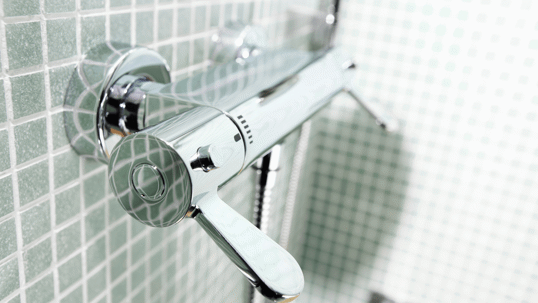
The mixing valve is the component behind your shower wall that blends hot and cold water before it reaches the showerhead. Most modern homes have one of two types: a pressure-balancing valve, which maintains a consistent ratio of hot and cold regardless of pressure changes elsewhere in the house, or a thermostatic valve, which holds water at a set temperature regardless of fluctuations in either supply line.
Both types rely on internal components, primarily a cartridge, O-rings, and seals, that wear down over time. When those components start to fail, the symptoms show up at the showerhead.
Why Naples Is Harder on Mixing Valves Than Most Markets
Before getting into the specific problems, it helps to understand why these issues come up more frequently in Southwest Florida.
Constant exposure to hot water, soap, and mineral deposits, combined with the high humidity in Florida, wears on valves, showerheads, and drain connections faster than in drier climates.
Hard water is the biggest driver. Collier County's water supply carries high concentrations of calcium and magnesium. The calcium and magnesium in Southwest Florida's water supply leave scale deposits in showerheads and valves, restricting flow and causing water to be redirected unevenly over time. Those deposits also work their way into the cartridge itself, causing it to stick, crack, or lose its ability to regulate temperature accurately.
Salt air from the Gulf can cause faucets, showerheads, and exposed fixtures to develop pitting, rust, and mineral buildup, and valves and joints can seize up or develop leaks over time. For homes closer to the water in Naples, Marco Island, or along the coastal corridors, this accelerates the deterioration of metal valve components even when the shower is not actively being used.
Seasonal vacancy adds another layer. Valves that sit idle for months while a home is unoccupied can have O-rings and seals dry out, and components that were borderline can fail once the home goes back into full use at the start of season.
The Most Common Mixing Valve Problems in Naples Homes
Temperature swings: too hot or too cold
If your shower runs scalding hot, freezes without warning, or cannot seem to settle at a consistent temperature, the cartridge inside the valve is the most likely culprit. The top reason for shower cartridge damage or failure is a constant hot and cold water pressure imbalance, and hard water can cause the cartridge to wear out earlier than it should.
In Naples, scale buildup on the cartridge is an extremely common cause of this problem. Mineral deposits prevent the cartridge from moving freely, so it gets stuck partway between positions and cannot hold a steady mix. In most cases a cartridge replacement resolves it without needing to replace the entire valve body.
Low water pressure from the showerhead
A gradual drop in shower pressure is almost always sediment-related in Southwest Florida. Mineral deposits accumulate inside the valve and along the supply lines, narrowing the passages water flows through. Hard water deposits frequently clog internal passages and reduce flow.
Before assuming the valve needs replacement, a plumber will check the showerhead and supply stops for buildup first. In many cases the restriction is upstream of the valve, and a thorough descaling restores pressure without replacing anything.
Dripping or leaking from the valve
A drip that continues after you turn the shower off is almost always a worn or damaged cartridge, O-ring, or seal. These components degrade naturally over time, but in Naples the combination of hard water and salt air speeds up that process considerably. Corrosion, caused by hard water and time, leads to leaks, valve stiffness, or outright failure if left unchecked.
A slow drip is easy to dismiss, but left alone it wastes a significant amount of water over a month, and if water is tracking inside the wall rather than draining, it creates conditions for mold growth behind the tile.
No hot water from the shower specifically
If you are getting cold water from the shower but hot water works fine elsewhere in the house, the mixing valve or cartridge may be stuck in a cold position. This is a legitimate valve problem.
However, if no hot water is reaching any fixture in the house, the water heater is the more likely cause, not the valve. The original version of this post attributed the issue primarily to a valve component, but a water heater problem is far more common when the symptom is house-wide. If you are unsure, a plumber can diagnose both in a single visit.
A valve that is simply past its service life
Most mixing valve cartridges are rated for 10 to 15 years under normal conditions. In Southwest Florida, that range shrinks with hard water and coastal conditions. If your home was built or last renovated more than a decade ago and you have not had the valve serviced, it may be operating on borrowed time even if it has not failed outright yet. Proactive replacement is significantly less disruptive than an emergency call when a valve fails mid-season.
Cartridge Replacement vs. Full Valve Replacement
One thing the original version of this blog did not address: these two options are not the same, and knowing the difference matters for your budget.
In most cases, a cartridge replacement is all that is needed. The cartridge is the internal mechanism that does the temperature and pressure work. Replacing it is a targeted repair that typically takes less than two hours and restores full function without disturbing the tile or the valve body.
Full valve replacement involves removing the valve body from the wall and is reserved for situations where the body itself is corroded, cracked, or incompatible with a replacement cartridge. It is a more involved job that may require opening the wall, but it is not always necessary just because the cartridge has failed.
Your plumber should be able to tell you which applies after a visual inspection of the valve.
Preventing Mixing Valve Problems in a Southwest Florida Home
The most effective thing Naples homeowners can do is address the hard water issue at the source. A whole-home water softener dramatically reduces the mineral load reaching your fixtures, extending the life of cartridges, seals, and valve bodies. It also reduces scale accumulation in your water heater, dishwasher, and every other water-using appliance in the home.
Short of that, annual plumbing inspections that include a valve check go a long way toward catching cartridge wear before it becomes a temperature crisis. Seasonal homeowners especially benefit from a start-of-season inspection before putting the home back into full use.
Shower Mixing Valve FAQs for Naples Homeowners
How do I know if it is the valve or the water heater causing my temperature problem?
Check other hot water fixtures in the house. If the kitchen sink and other bathrooms are producing hot water normally, the problem is isolated to the shower valve or cartridge. If no fixture in the house is getting hot water, start with the water heater.
Can hard water really damage a mixing valve that quickly?
Yes. Naples' water supply is among the harder in Florida. Mineral deposits work into cartridge mechanisms, cause O-rings to degrade faster, and restrict the internal passages that control water flow and temperature. Valves in Collier County homes often show wear significantly earlier than manufacturer ratings suggest.
Is a dripping shower valve an emergency?
Not an immediate emergency, but it should not be left indefinitely. Beyond water waste, a slow leak can track into the wall cavity and contribute to mold growth behind tile, which is a much more expensive problem to address than a cartridge replacement.
How long does a mixing valve repair take?
A cartridge replacement is typically a one to two hour job. A full valve replacement takes longer depending on wall access, but most are completed in a single visit.
Should I try to fix the valve myself?
Replacing a cartridge is technically a DIY task for experienced homeowners with the right tools, but incorrect installation can result in the same temperature problems you started with, or new leaks. In a tiled shower where wall access is limited, the cost of a mistake outweighs the savings. A licensed plumber has the right cartridge on the truck, knows the valve brand's specific reassembly requirements, and can confirm the fix is working before leaving.
Does my home insurance cover mixing valve repairs?
Most standard homeowners policies do not cover the cost of repairing the valve itself, since it is considered normal wear and tear. However, if a failed valve causes water damage to walls or flooring, that resulting damage is often covered. Check your policy specifics or contact your provider before assuming either way.
If your shower is giving you inconsistent temperatures, low pressure, or a drip that will not quit, Mike's Plumbing of Southwest Florida has been diagnosing and fixing mixing valve problems in Naples since 1996. Call (239) 208-0274 or contact us online to schedule a visit.